Exploring the Legacy of the Transylvanian Saxons
- kgagesch
- Aug 28, 2025
- 3 min read
The Transylvanian Saxons have left a remarkable imprint on the cultural and historical landscape of Central Europe. Their story is one of migration, resilience, and adaptation, shaping the region of Transylvania in ways that continue to resonate today. This blog post delves into the rich heritage of the Transylvanian Saxons, exploring their origins, cultural contributions, and lasting legacy.
The Origins and Migration of the Transylvanian Saxons
The Transylvanian Saxons originated from various regions in Western Europe, primarily from areas that are now part of Germany. During the 12th and 13th centuries, they were invited by Hungarian kings to settle in Transylvania. Their mission was to fortify the borders and develop the economy through skilled craftsmanship and agriculture.
These settlers brought with them advanced building techniques, agricultural knowledge, and a strong sense of community organization. They established fortified towns and villages, many of which still stand today as testaments to their architectural ingenuity.
They introduced new farming methods that improved crop yields.
Their fortified churches served both religious and defensive purposes.
They maintained a distinct language and customs, preserving their identity over centuries.
Understanding Transylvanian Saxon Culture
Transylvanian Saxon culture is a unique blend of Germanic traditions and local influences. Their customs, festivals, and crafts have been preserved through generations, offering a window into their way of life.

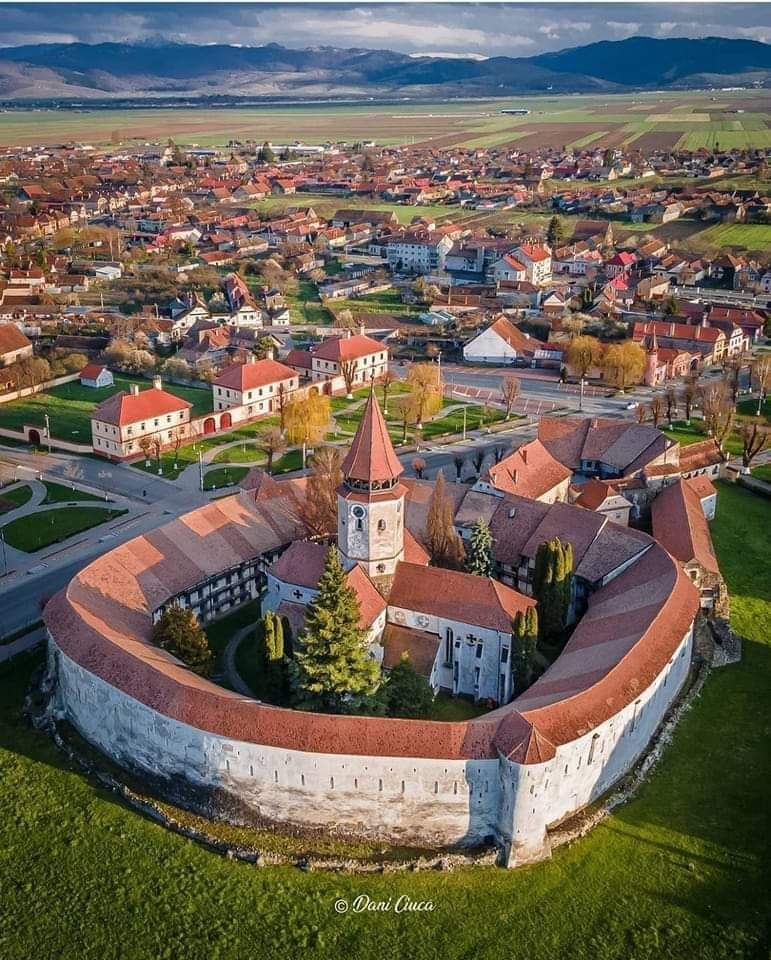
One of the most notable aspects of their culture is their architecture. The Saxons built impressive fortified churches and towns that served as centers of community life. These structures were designed not only for worship but also for protection against invasions.
In addition to architecture, their folk art, music, and cuisine reflect a rich cultural tapestry. Traditional costumes, embroidery, and woodwork are still celebrated in festivals and cultural events.
The Saxon dialect, a variant of German, is still spoken by some descendants.
Annual festivals celebrate their heritage with music, dance, and traditional foods.
Their craftsmanship includes intricate wood carvings and pottery.

For those interested in deeper insights into Transylvanian Saxon history, there are numerous resources and historical sites that provide extensive information about their journey and influence.
The Architectural and Cultural Heritage of the Transylvanian Saxons
The architectural legacy of the Transylvanian Saxons is one of their most visible contributions. Their fortified churches, often surrounded by defensive walls, are unique to the region. These structures served as safe havens during times of conflict and are now recognized as cultural landmarks.
Many of these churches are UNESCO World Heritage sites, celebrated for their historical and architectural significance. The Saxons also built towns with distinctive layouts, featuring central squares, guild houses, and town halls that reflect their communal lifestyle.
Culturally, the Saxons contributed to the arts, education, and religious life in Transylvania. They established schools and printing presses, promoting literacy and learning. Their traditions in music and dance continue to be performed at cultural festivals, keeping their heritage alive.
Fortified churches like those in Biertan and Viscri are prime examples.
Towns such as Sibiu and Mediaș showcase Saxon urban planning.
Cultural institutions preserve Saxon music, dance, and crafts.
Preserving the Transylvanian Saxon Legacy Today
Today, the Transylvanian Saxon community is smaller but remains active in preserving their heritage. Many descendants live in Germany and other parts of Europe, maintaining connections to their ancestral homeland.
Efforts to preserve Saxon culture include:
Restoration of historic buildings and churches.
Cultural festivals and events celebrating Saxon traditions.
Educational programs and museums dedicated to their history.
Publications and research on saxon history and culture.
Visitors to Transylvania can explore Saxon villages, attend traditional festivals, and experience the unique blend of history and culture firsthand. Supporting these preservation efforts helps keep the legacy of the Transylvanian Saxons vibrant for future generations.
The story of the Transylvanian Saxons is a testament to the enduring power of cultural identity and community. Their legacy continues to enrich the cultural mosaic of Eastern Europe and offers valuable lessons in resilience and heritage preservation.


Comments