Unveiling the History of the Siebenbürgen Saxons - Honigberg
When discussing fortified churches in Transylvania, one notable example is Honigberg, known in Romanian as Hârman and previously referred to by its Hungarian name, Harsány. This village, with its rich history and stunning architecture, provides a fascinating glimpse into the medieval defensive strategies of the region.
Founding by the Teutonic Knights
Honigberg was founded in the 13th century by the Teutonic Knights, who were instrumental in establishing settlements in the region as part of their broader mission to spread Christianity and secure territories in Eastern Europe. This strategic location in Burzenland provided a vital foothold for the Knights, allowing them to exert influence over the surrounding areas while promoting trade and cultural exchange among the Saxon settlers who would later inhabit the region.
Location in the Burzenland Region
Situated within the historical region of Burzenland, Honigberg benefited from its geographical advantages, including fertile lands and access to trade routes. The Burzenland, known for its diverse population and rich cultural heritage, became a melting pot of influences, with the Teutonic Knights playing a crucial role in shaping the area's development. The location not only offered protection from potential invasions but also fostered a sense of community among ethnic German settlers who sought stability in a tumultuous era.
Resilience Against Conquest
One of the most notable aspects of Honigberg's history is its resilience against conquest. This is exemplified by the events of 1612 when Gabriel Bathory, the Prince of Transylvania, launched a campaign that devastated much of the Burzenland. Despite the destruction caused during this period, Honigberg itself remained unconquered, a testament to the strength of its fortifications and the determination of its inhabitants. The ability of this Saxon community to withstand such challenges speaks volumes about their fortitude and the strategic significance of the fortified structures they had built.
Cultural Heritage and Legacy
Today, Honigberg stands as a symbol of the enduring legacy of the Teutonic Knights and the Saxon settlers. The fortified church is a remarkable architectural achievement and continues to draw attention for its historical and cultural significance. As a place of worship and a defensive stronghold, it represents the dual purpose of the community's architectural endeavors, reflecting the spirit of resilience that characterized all Saxon settlers. The ongoing appreciation for Honigberg's rich history serves as a reminder of the complex tapestry of cultural influences that have shaped the region over the centuries.
Architectural Features of the Fortified Church Compound
Defensive Walls: The village church is surrounded by thick 12-meter high walls that served as a formidable barrier against attackers. These walls were once surrounded by a moat, providing an additional layer of protection. Inside, the walls are honeycombed with small storage chambers that were essential for keeping supplies safe and cool for Saxon families. In times of danger, up to 800 villagers could shelter inside the walled church compound, making it a vital refuge during conflicts.
Towers: The church walls feature seven towers that were used for lookout purposes and as additional fortifications. An impressive bell-tower was built around 1300 and stands 56 meters tall, giving defenders a commanding view of the surround Burzenland region. A chapel tower was also added in the 15th century and remains well preserved into modern times.
Interior Design: Inside, the church showcases beautiful frescoes and intricate woodwork, reflecting the changing artistic styles of the periods when renovations were made. Major upgrades were made in the 18th century with the addition of an elaborate organ (1715) and an ornate Baroque alter (1787). Romanesque, Gothic, and Renaissance elements come together to create a visually stunning and culturally significant landmark.
Modern Significance
Today, Honigberg, or Hârseni, remains a symbol of the historical heritage of the Transylvanian Saxons. The fortified church attracts visitors interested in history, architecture, and Saxon culture that once characterized the region. Preservation efforts continue to ensure that this remarkable site remains a vital part of Romania's cultural landscape.
Conclusion
Honigberg serves as an excellent example of a Transylvanian Saxon fortified church and village, illustrating the region's medieval history and architectural ingenuity. Its dual identity as Hârseni and Harsány highlights the rich tapestry of cultural influences that shaped the Burzenland region over the centuries.

The iconic fortified church compound of Honigberg
The Role of Siebenbürgen Saxons in Regional History
The Siebenbürgen Saxons played a crucial role in the political and cultural landscape of Transylvania. They were granted special privileges by the Hungarian crown, including self-administration and religious freedom, which allowed them to maintain a degree of autonomy. This autonomy was vital in preserving their traditions and institutions.
In the 19th and 20th centuries, the Saxons faced new challenges with the shifting borders and political changes in Eastern Europe. Despite these upheavals, they continued to contribute to the cultural mosaic of the region, maintaining their language, customs, and community spirit.
For those interested in a deeper dive, my book, I am Saxon, offers a comprehensive overview of their journey through the ages.
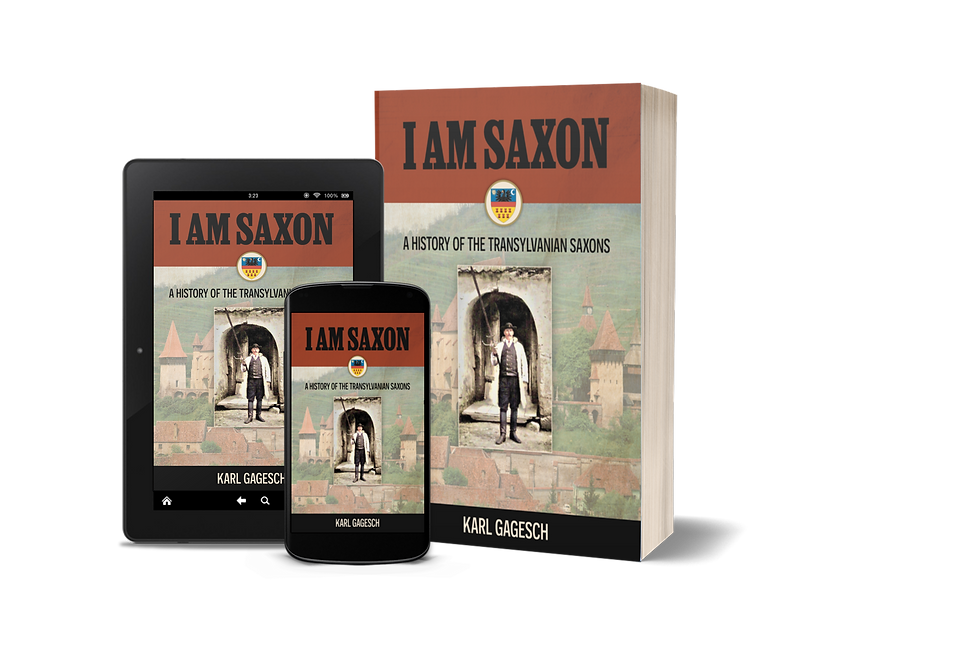
Personal Reflections: Modern History Through My Family’s Eyes
Parts of my book include modern history told through the experiences of my family, which adds a personal dimension to the broader historical narrative. My parents, aunts and uncles, and my grandparents lived through the upheavals of the 20th century, including World War II. Their stories reveal the challenges faced by the Siebenbürgen Saxons during these times.
For example, my grandfather often spoke about the difficult decisions many Saxons had to make—whether to stay in their ancestral homeland or emigrate to Germany or other countries. These choices were not easy, as they involved leaving behind centuries of heritage and community.
Despite the hardships, my family preserved their traditions and language, passing them down through generations. This resilience is a testament to the enduring spirit of the Siebenbürgen Saxons.
Sharing the personal stories in my book helped me connect with my heritage and offers readers a glimpse into the lived experiences behind historical events.
For those interested in learning more, my book offers an intimate look at the Saxon experience, blending historical research with family narratives. It is a celebration of identity, resilience, and the enduring bonds of community.
By sharing these stories, I hope to inspire others to discover and cherish the remarkable history of the Siebenbürgen Saxons.
Exploring the history of the Siebenbürgen Saxons has been a journey of discovery and connection for me. The Saxon story is one of courage, culture, and continuity—a story that deserves to be told and remembered. Whether you are a history enthusiast or simply curious about this fascinating community, I invite you to delve into the Saxon saga and uncover the treasures of their past with my book, I am Saxon.


Comments