Discover the Rich Heritage of The Transylvanian Saxons
The Transylvanian Saxons are a unique ethnic group with a fascinating history that spans centuries. Their heritage is deeply woven into the cultural and architectural fabric of Transylvania, a region in modern-day Romania. This blog post explores the origins, traditions, and lasting impact of the Transylvanian Saxons, offering insights into their rich legacy and how it continues to influence the region today.
Origins of Transylvanian Saxon Heritage
The story of the Transylvanian Saxons begins in the 12th century when German settlers were invited by Hungarian kings to colonize and defend the southeastern borders of the Kingdom of Hungary. These settlers came primarily from the regions of Saxony, the Rhineland, and Flanders. Their mission was to develop the land, establish towns, and protect the area from invasions.
The settlers brought with them their language, customs, and architectural styles, which blended with local traditions to create a distinct cultural identity. Over time, the Transylvanian Saxons established prosperous communities, built fortified churches, and contributed significantly to the economic and social development of Transylvania.
Key Contributions of the Transylvanian Saxons:
Construction of fortified churches and castles
Development of trade and crafts
Establishment of self-governing towns with democratic legal systems

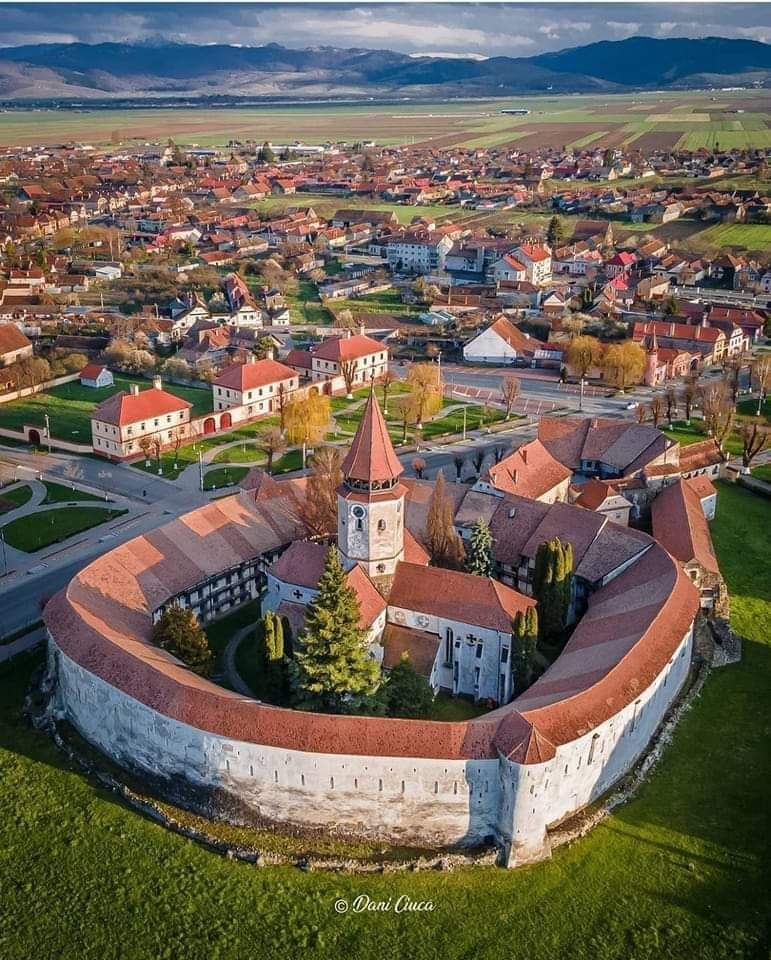
Fortified churches stand as a testament to the Transylvanian Saxons' architectural ingenuity and defensive needs.
Exploring Transylvanian Saxon Heritage Today
The Transylvanian Saxon heritage is visible in many aspects of life in Transylvania. Their influence can be seen in the architecture, festivals, cuisine, and even the local dialects. Many of the fortified churches they built are now UNESCO World Heritage Sites, attracting visitors from around the world.
To truly appreciate this heritage, one can visit towns like Sibiu, Brașov, and Mediaș, where Saxon culture is still celebrated. Museums and cultural centers offer exhibitions on traditional crafts, clothing, and the history of the Saxons in the region.
How to Experience Transylvanian Saxon Heritage:
Visit Fortified Churches - Explore the unique defensive structures scattered across the region.
Attend Cultural Festivals - Participate in events showcasing traditional music, dance, and food.
Explore Museums - Learn about the daily life and history of the Saxons through curated exhibits.
Taste Traditional Cuisine - Enjoy dishes influenced by Saxon culinary traditions, such as smoked meats and pastries.
Traditional village streets preserve the charm and layout established by the Transylvanian Saxons.
What are Saxons Called Now?
The term "Saxon" historically referred to the German settlers in Transylvania, but today, the descendants of these settlers are often referred to as Transylvanian Saxons or simply Saxons. Many have emigrated over the past century, especially after World War II and during the communist era in Romania, leading to a diaspora spread across Germany, Austria, and other countries.
Despite this migration, the Saxon identity remains strong among communities abroad and within Transylvania. Efforts to preserve the language, customs, and traditions continue through cultural associations and reunions.
Modern Identity of the Saxons:
Known as Transylvanian Saxons or Siebenbürger Sachsen in German
Maintain cultural ties through festivals and organizations
Work to preserve historical sites and promote education about their heritage

Traditional textiles showcase the intricate craftsmanship of the Transylvanian Saxons.
The Importance of Preserving Saxon History
Preserving Saxon history is crucial for understanding the multicultural fabric of Transylvania and the broader European context. Saxons played a vital role in shaping the region's development, and their legacy offers valuable lessons in cultural coexistence and resilience.
Conservation efforts focus on restoring fortified churches, documenting oral histories, and promoting education about Saxon contributions. These initiatives not only honor the past but also foster tourism and economic development in the region.
Ways to Support Preservation:
Donate to heritage conservation projects
Participate in cultural exchange programs
Promote awareness through social media and travel blogs
Volunteer for restoration and documentation efforts
Embracing the Legacy of Transylvanian Saxon Heritage
The Transylvanian Saxon heritage is a vibrant part of Europe's cultural mosaic. By exploring their history, architecture, and traditions, we gain a deeper appreciation for the diversity and richness of human experience. Whether you are a history enthusiast, a traveler, or someone interested in cultural preservation, the story of the Transylvanian Saxons offers inspiration and insight.
Embracing this legacy means supporting ongoing efforts to keep their culture alive and sharing their remarkable story with future generations. The Transylvanian Saxons remind us that heritage is not just about the past - it is a living, evolving part of our world.
This journey through the Transylvanian Saxon heritage reveals a community that has left an indelible mark on the region. Their fortified churches, vibrant traditions, and enduring spirit continue to captivate and educate. Discovering this heritage is an invitation to connect with a unique chapter of European history and to celebrate the resilience of cultural identity.


Comments