Unraveling the History of Transylvanian Saxons
The story of the Transylvanian Saxons is a fascinating journey through time. As someone who has delved deeply into this heritage, including the modern history told through the experiences of my family, I find it a privilege to share this rich narrative. The Transylvanian Saxons have left an indelible mark on the region of Transylvania, blending their traditions with the local culture and shaping the area's identity for centuries.
Exploring the Transylvanian Saxons Heritage
The Transylvanian Saxons heritage is a tapestry woven from centuries of migration, settlement, and cultural exchange. Originating from German-speaking settlers invited to Transylvania in the 12th century, they established fortified towns and villages that still stand today. Their influence is visible in architecture, language, and customs.
One of the most remarkable aspects of this heritage is the community's ability to maintain its identity despite numerous challenges, including wars, political changes, and migrations. My family’s stories echo this resilience, reflecting how traditions were preserved even when faced with adversity.

The Saxons were known for their craftsmanship, especially in building impressive fortifications and churches. These structures were not only places of worship but also served as defensive strongholds during turbulent times. Visiting these sites today offers a glimpse into their strategic and artistic skills.
The Role of Culture and Traditions in Saxon Life
Culture and traditions have always been at the heart of the Transylvanian Saxons heritage. From folk costumes to festivals, these elements have helped keep the community connected across generations. For example, the annual Saxon festivals celebrate traditional music, dance, and cuisine, providing a vibrant link to the past.
In my family, these traditions were more than just celebrations; they were a way to pass down values and stories. The recipes, songs, and even the dialect spoken at home carried the essence of our ancestors’ lives. This cultural continuity is a testament to the Saxons’ strong sense of identity.

If you ever have the chance to attend a Saxon cultural event, I highly recommend it. You will experience firsthand the warmth and pride that define this community. It’s also a great opportunity to learn about their customs and perhaps even try some traditional dishes.
Where did Saxons originally come from?
The Transylvanian Saxons originally came from various regions in what is now Germany, particularly from areas like the Rhineland and Flanders. They were invited by Hungarian kings in the 12th century to settle and defend the southeastern borders of the Kingdom of Hungary. This migration was part of a broader strategy to develop and secure the region.
Their journey was not just a physical relocation but also a cultural transplantation. They brought with them their language, laws, and customs, which they adapted to their new environment. This blend of old and new created a unique identity that distinguished them from other ethnic groups in Transylvania.
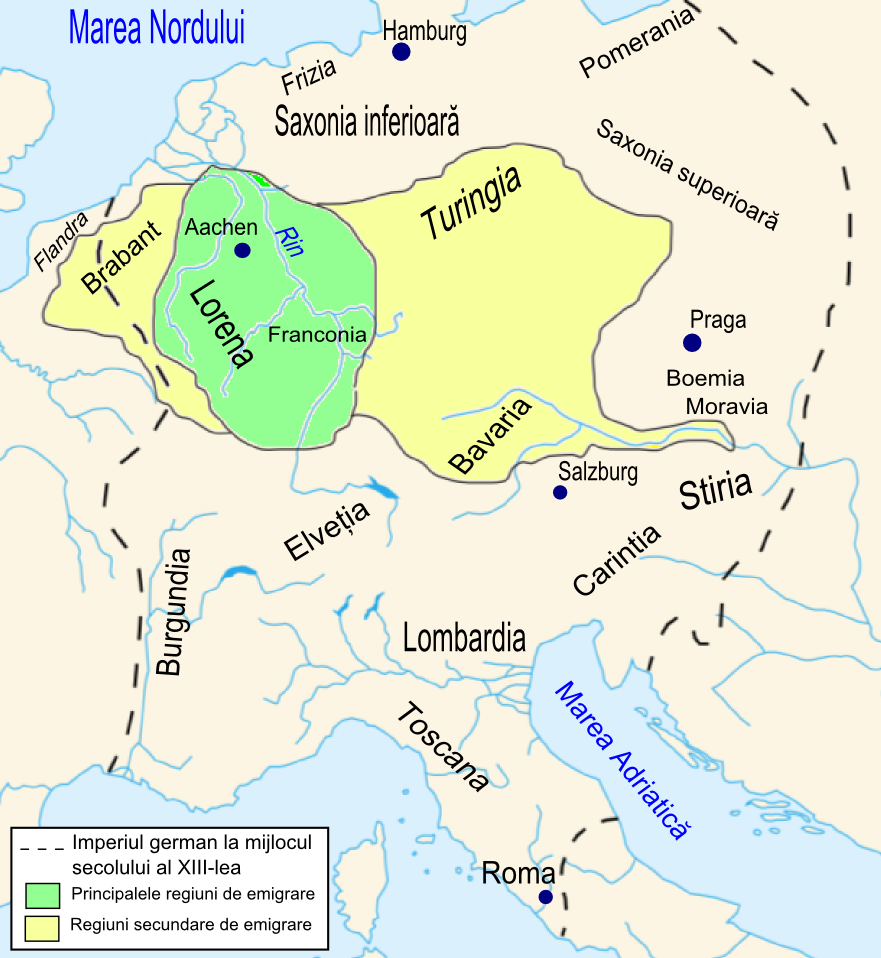
Understanding their origins helps explain many aspects of their community structure and traditions. It also highlights the importance of migration in shaping European history, showing how diverse groups contributed to the continent’s cultural mosaic.
The Impact of Modern History on Transylvanian Saxons
Modern history has profoundly affected the Transylvanian Saxons, especially during the 20th century. Wars, shifting borders, and political regimes led to significant changes in their population and way of life. My family’s experiences during this period provide a personal lens through which to view these transformations.
After World War II, many Saxons faced persecution and displacement. The communist regime in Romania further complicated their situation, leading to emigration and a decline in their numbers. Despite these hardships, the community’s spirit endured, and many Saxons have since returned or maintained strong ties to their heritage.
The story of the Transylvanian Saxons is also a story of adaptation. They have embraced new opportunities while honoring their past. Today, efforts to preserve their language, architecture, and traditions continue, supported by both local initiatives and international interest.
Preserving the Legacy of Transylvanian Saxons
Preserving the Transylvanian Saxons heritage is crucial for future generations. This involves protecting historical sites, promoting cultural education, and encouraging community engagement. For those interested in learning more, resources like the saxon history website offer valuable insights and documentation.
Here are some practical ways to support this preservation:
Visit Saxon heritage sites - Tourism helps fund restoration projects and raises awareness.
Participate in cultural events - Engaging with festivals and workshops keeps traditions alive.
Support local artisans - Buying crafts and products made by Saxon descendants sustains their economy.
Educate yourself and others - Reading my book, 'I am Saxon', is an excellent way to
gain more knowledge.
By taking these steps, we contribute to a living history that continues to inspire and educate.
The journey through the Transylvanian Saxons heritage is a reminder of the power of culture and community. Their story, enriched by personal family histories and broader historical events, offers valuable lessons about identity, resilience, and the importance of preserving our past. Whether you are a history enthusiast or simply curious, exploring this heritage opens a window into a unique and enduring chapter of European history.


Comments