Discovering the Rich History of the Transylvanian Saxons
Nestled in the heart of Romania, Transylvania is a region famed for its haunting castles and dense forests. However, beyond the tales of Dracula and the folklore surrounding vampires, Transylvania also boasts a rich cultural tapestry woven by the Saxons. These German settlers influenced the region's architecture, language, and traditions. Let's dive into the fascinating history of the Transylvanian Saxons.
Transylvanian Saxon Heritage
The Transylvanian Saxons originally descended from German settlers who arrived in the late 12th century. They were invited by the Hungarian King Géza I to help defend the region against invaders and to cultivate the land. Over the centuries, these Saxons established thriving communities, leaving a lasting impact on the local culture.
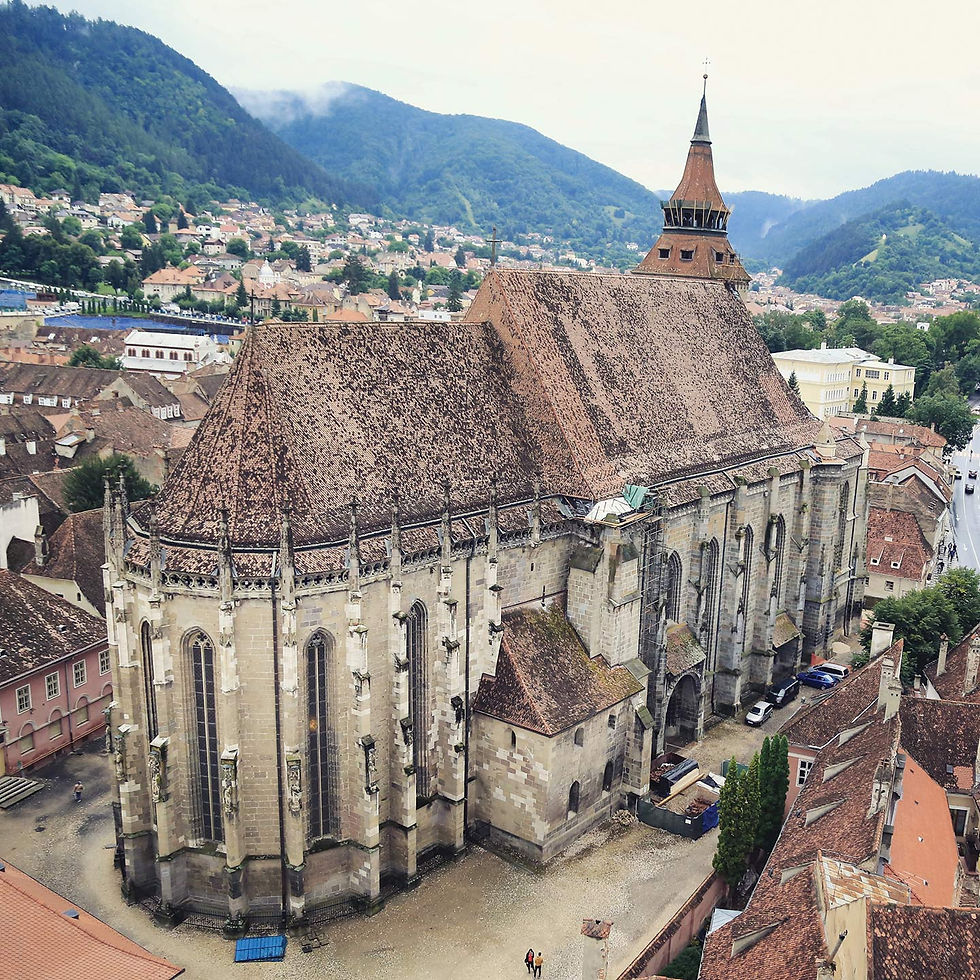
The Saxons built fortified churches, many of which still stand today, including the iconic Black Church in Brașov. These structures not only served spiritual purposes but also acted as fortresses during periods of unrest. The legacy of their architectural ingenuity still fascinates visitors to this day.
Their contribution goes beyond architecture. The Saxon influence is evident in the languages spoken in the region, with many local dialects containing words borrowed from German. This linguistic heritage highlights the integration of the Saxons into the local culture, creating a unique blend that continues to thrive.
In terms of customs, the Saxons brought various traditions, including unique culinary recipes, festivals, and celebrations. One notable tradition is the Christmas market, where locals showcase handmade crafts and delicious seasonal foods—a practice that has grown in popularity and attracts tourists from all over the world.
The Saxons' Role in Transylvania's Economy
The economic contributions of the Transylvanian Saxons were pivotal. They settled primarily in the southeastern part of the region, cultivating crops and engaging in artisan trades. Their expertise in agriculture and craftsmanship turned Transylvania into an economic hub during the Middle Ages.
Saxons introduced advanced farming techniques and trades that significantly boosted the local economy. For instance, they were known for their skills in metalworking and woodworking. Artisans crafted ornate furniture and intricate metal pieces, which were highly sought after. Their influence can still be seen today in local craftsmanship, where traditional methods are still practiced by some artisans.
Moreover, the Saxons' commitment to education laid the groundwork for a more enlightened society. They established schools and educational institutions, emphasizing literacy and learning. As a result, Transylvania's cultural and intellectual life flourished, producing numerous writers, scholars, and artists who contributed to European culture.
What is the difference between the Saxons and the Vikings?
Understanding the distinction between the Saxons and the Vikings requires looking at their origins and purposes. The Saxons were a Germanic tribe from what is now Germany, primarily associated with the Anglo-Saxon culture in England. In contrast, the Vikings were Norse seafarers from Scandinavia, known for their exploration, trading, and raiding across Europe.
While both groups shared a Germanic heritage, their lifestyles and societal structures differed significantly. The Saxons were agricultural, focusing on farming and settlement in specific regions like Transylvania, whereas the Vikings were predominantly maritime, often venturing out in longships for exploration and conquest.
This difference in focus led to varied cultural impacts. The Saxons’ contributions to language, law, and settlement patterns are deeply rooted in the regions they inhabited. The Vikings' legacy, on the other hand, is often associated with their adventurous exploits and the interconnectedness of trade routes they established.

Challenges and Decline
The Saxon communities thrived for centuries, but their fortunes began to change in the 19th century. Political upheavals, such as the decline of the Austro-Hungarian Empire, led to increased tensions between different ethnic groups in Transylvania. As nationalistic movements gained momentum, the presence of the Saxons became threatened.
The World Wars further exacerbated the situation. Many Saxons emigrated to Germany, fearing for their safety and wellbeing in a region marked by conflict. This mass migration led to a significant decline in the Saxon population. By the end of the 20th century, the once-thriving Saxon culture in Transylvania faced the risk of total disappearance.
Despite these challenges, efforts have been made to preserve Saxon heritage. Organizations dedicated to cultural preservation, tourism, and heritage education have sprung up. These initiatives aim to celebrate and maintain the traditions and historical significance of the Transylvanian Saxons.

Rebirth of the Saxon Identity
In recent years, there has been a renewed interest in Saxon culture, both from locals and tourists. Many young people have started to recognize the value of their heritage and are engaged in activities promoting Saxon traditions. Festivals celebrating Saxon customs have emerged, attracting visitors eager to experience traditional music, dance, and cuisine.
Traveling to Transylvania offers a unique opportunity to explore this rich history. Visitors can walk through Saxon villages, participate in workshops, and taste local delicacies. Places like Sighișoara, a UNESCO World Heritage site, showcase the beauty of Saxon architecture while providing insight into their daily lives.
Many Saxons who emigrated from Transylvania have also sought to reconnect with their roots. Annual reunions and cultural events are held, bringing together those who once called this region home. This revitalization of Saxon identity serves as a testament to the enduring spirit of the community.
In conclusion, the Transylvanian Saxons' history is a captivating tale of resilience, cultural blending, and an enduring legacy. Their contributions to architecture, agriculture, and education have left a mark that continues to shape the region today. Delving into the experiences and heritage of the Transylvanian Saxons not only enriches our understanding of history but also celebrates the rich mosaic that is Europe. Discovering this heritage offers not just a glimpse into the past but also a path toward appreciating the diverse cultures that coexist in modern society.


Comments