Discover the Legacy of the Transylvanian Saxons
The Transylvanian Saxons are a unique ethnic group with a rich and fascinating history. Originating from German settlers invited to Transylvania in the 12th century, they have left an indelible mark on the region's culture, architecture, and traditions. Their story is one of resilience, adaptation, and cultural preservation through centuries of change. This article explores the legacy of the Transylvanian Saxons, highlighting their heritage, contributions, and the distinct identity they have maintained.
Exploring the Transylvanian Saxon Heritage
The Transylvanian Saxon heritage is deeply rooted in the medieval period when German settlers were invited by Hungarian kings to fortify and develop the region of Transylvania, now part of modern-day Romania. These settlers brought with them advanced skills in agriculture, crafts, and trade, which helped transform the area into a prosperous and culturally vibrant community.
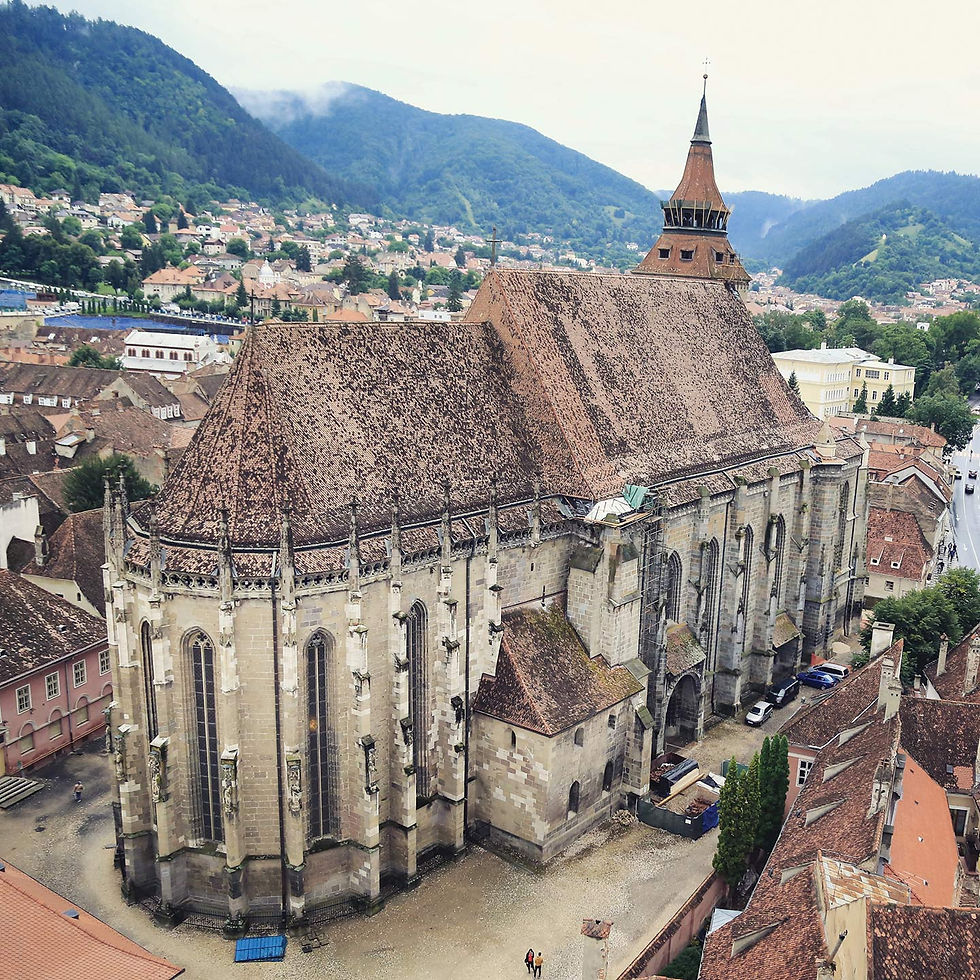
One of the most visible legacies of the Transylvanian Saxons is their fortified churches. These structures served both religious and defensive purposes, protecting villagers from invasions and raids. Many of these churches still stand today, showcasing impressive Gothic and Romanesque architectural styles.
The Saxons also contributed to the development of towns such as Sibiu, Brașov, and Mediaș, which became important centers of commerce and culture. Their influence is evident in the urban layouts, public buildings, and even the local dialects.

To truly appreciate the Transylvanian Saxon heritage, one must also consider their customs, traditional costumes, and festivals. These cultural elements have been preserved through generations, often celebrated in local museums and cultural events.
The Role of Transylvanian Saxons in Regional Development
The Transylvanian Saxons played a crucial role in the economic and social development of Transylvania. Their expertise in agriculture introduced new farming techniques and crops, improving food production and sustainability. They also excelled in crafts such as blacksmithing, carpentry, and weaving, which supported local economies.
Trade was another area where the Saxons thrived. They established trade routes connecting Transylvania with other parts of Europe, facilitating the exchange of goods and ideas. This helped integrate the region into broader European economic networks.
Education and governance were also influenced by the Saxons. They founded schools and promoted literacy, which was uncommon in many rural areas at the time. Their self-governing communities operated under a system known as the "Saxon Universitas," which allowed them to maintain a degree of autonomy and preserve their cultural identity.

For those interested in learning more about the detailed aspects of saxon history, there are numerous resources and historical archives that provide in-depth information about their contributions and way of life.
What is the difference between the Saxons and the Vikings?
While both the Saxons and Vikings are often associated with medieval Europe, they are distinct groups with different origins, cultures, and historical roles.
Origins: The Saxons were a Germanic tribe originally from what is now northern Germany and the Netherlands. The Vikings, on the other hand, were Scandinavian seafarers from present-day Norway, Sweden, and Denmark.
Lifestyle: Saxons were primarily farmers and settlers who established permanent communities. Vikings were known for their seafaring skills, raiding, and trading across Europe.
Cultural Impact: Saxons influenced the development of England and parts of Central Europe, including Transylvania. Vikings impacted a broader area through exploration, settlement, and cultural exchange, reaching as far as North America.
Religion: Saxons converted to Christianity relatively early, which shaped their cultural and social structures. Vikings initially practiced Norse paganism before gradually adopting Christianity.
Understanding these differences helps clarify the unique identity of the Transylvanian Saxons and their specific historical context.

Preserving the Transylvanian Saxon Culture Today
Despite significant emigration and demographic changes, efforts to preserve the Transylvanian Saxon culture continue. Many descendants live in Germany and other countries but maintain strong ties to their heritage.
Cultural organizations and festivals celebrate traditional music, dance, and crafts. Museums in Transylvania and abroad showcase artifacts, costumes, and historical documents. Restoration projects aim to protect the iconic fortified churches and Saxon villages.
For travelers and history enthusiasts, visiting Transylvania offers a unique opportunity to experience this heritage firsthand. Guided tours often include visits to Saxon villages, churches, and museums, providing insights into their way of life.
Tips for experiencing Transylvanian Saxon heritage:
Visit fortified churches - Many are UNESCO World Heritage sites.
Attend cultural festivals - Events like the Saxon Days celebrate traditions.
Explore Saxon villages - Discover local crafts and architecture.
Engage with local communities - Learn about ongoing preservation efforts.
These experiences help keep the legacy alive and foster appreciation for this remarkable cultural group.
The Enduring Influence of the Transylvanian Saxons
The Transylvanian Saxons have left a lasting imprint on the region's identity. Their architectural marvels, cultural traditions, and historical contributions continue to inspire scholars, tourists, and locals alike.
Their story is a testament to the power of cultural resilience and adaptation. Even as political borders and populations have shifted, the Saxon heritage remains a vital part of Transylvania's mosaic.
Exploring this legacy offers valuable lessons about community, heritage preservation, and the importance of understanding diverse histories.
Whether you are a history buff, a traveler, or simply curious, the Transylvanian Saxon heritage invites you to discover a fascinating chapter of European history.


Comments